






How to Use an Automatic Crimping Machine Safely and Effectively
 Aug 05, 2026|
 View:397
You must use an automatic crimping machine very carefully. Follow basic safety rules during every work shift. First, check all parts well. Next, set exact numbers for correct wire crimping. Run tests carefully and clean the automatic crimping machine often. Good worker training prevents injuries from heavy moving parts.
Built-in digital tools check every crimp right away:
100% In-Process Quality Control: Checks all work in real time.
Process Yield Rate: Hits 99.98% to stop material waste.
Constant checking keeps the crimp connection strength strong. Regular equipment care also protects long-term precision, force, and safety.
Key Takeaways
Check power cords and safety guards before starting work.
Set accurate wire stripping lengths and crimp heights.
This protects wires from damage.
Make test crimps first.
Check force monitors to ensure a strong connection.
Clean the automatic crimping machine every day.
Daily automatic crimping machine maintenance prevents jams.
It also helps equipment last longer.
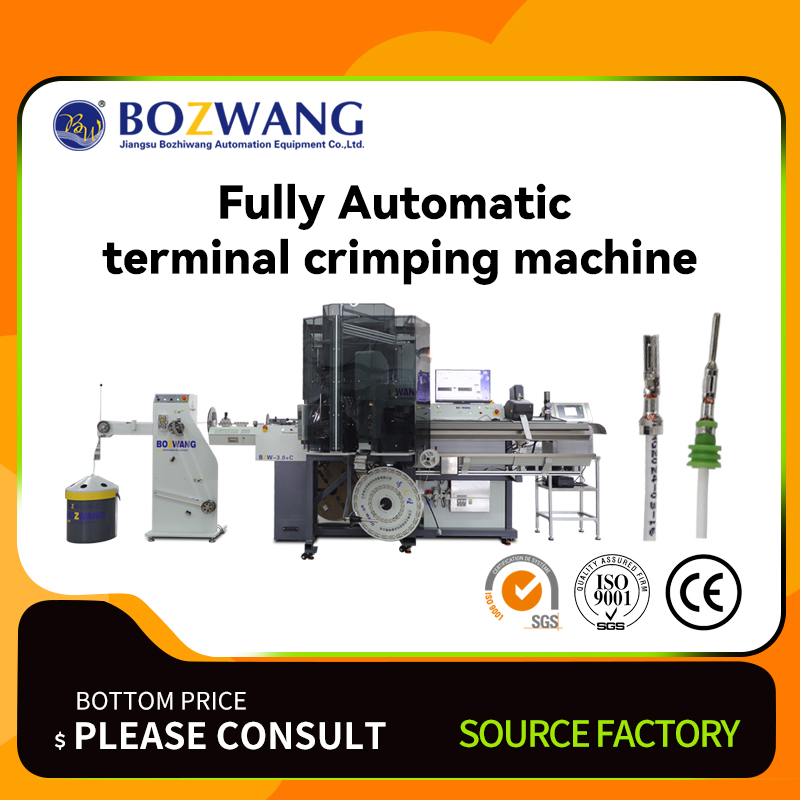
Safety Setup for an Automatic Crimping Machine
Prepare your workspace first. Do this before handling harness materials. This guide lowers daily work hazards. It helps during automatic crimping machine setup.
Electrical and Power Supply Verification
Turn off the power switch. Do this before mechanical checks.
Check the main power outlet. Ensure stable 220V power supply.
Check all power cables. Look for bad insulation damage.
Bad voltage ruins delicate internal circuits. It changes terminal crimping force. Unplug the main power supply first. Do this before touching motor drivers. Good power guards inner circuit boards. It keeps terminal pressure very even. This helps long production runs.
Safety Guards and Interlock Inspection
Hard shields protect workers from danger. They block moving machine parts. Check every clear acrylic shield. Check side panels and doors. Do this before daily work. Do not run broken machines. Never skip safety sensor alerts.
Interlock switches cut power fast. They stop automatic crimping machines when covers open.
Test emergency stop buttons every day. Check all sensor interlocks often. Train workers to report loose guards. Safe steps stop sharp jaw contact. They prevent severe crushing injuries.
Essential Personal Protective Equipment
Running heavy automatic crimping machines brings real dangers. Fast wire cutting throws metal debris. Small wire strands fly around. Good protective equipment shields your body. It guards you against hazards.
Put on protective equipment early. Wear it near active work areas. Always wear clear safety glasses. Ensure they have side shields. Good gear reduces work dangers. It meets safety guide standards. Proper training teaches safety rules. Workers learn tool safety every shift. Tie back your long hair. Remove loose shiny jewelry too. This stops dangerous machine entanglements.
Machine Calibration and Parameter Configuration
Calibrating your automatic crimping machine guarantees precise harness production. Correct settings eliminate material waste. They maximize daily shop productivity. Adjust wire insulation removal first. Do this before attaching metal terminals.
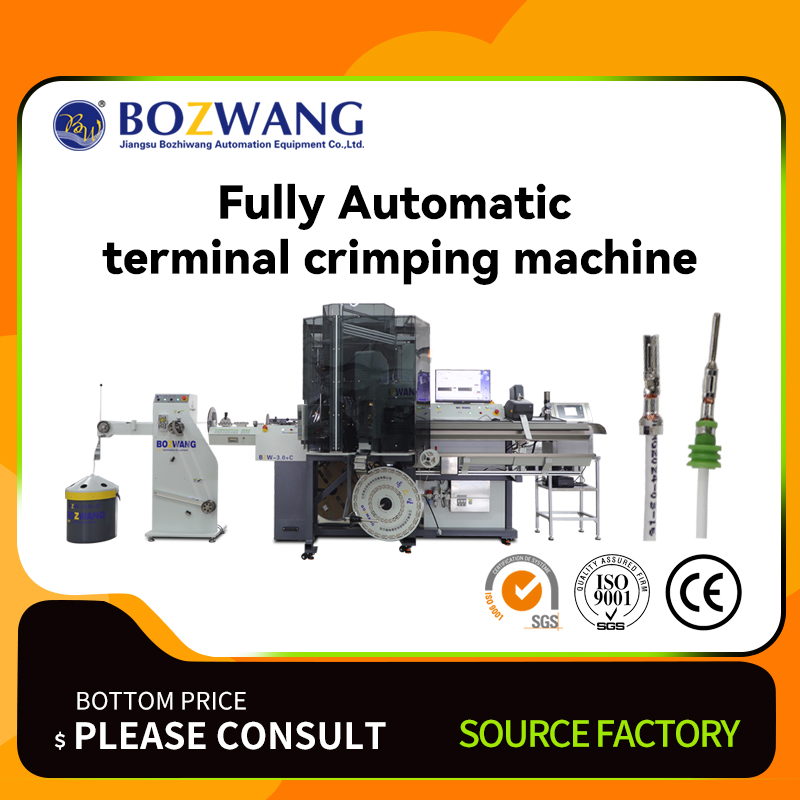
Setting Wire Stripping Length and Alignment
Improper strip lengths damage electrical performance. They ruin physical connection strength. Align wires straight into guide blades.
Stripping Defect | Impact on Terminal Retention | Impact on Electrical Conductivity |
|---|---|---|
Short Strip Length | Decreases crimp strength. This causes low pull force. | Leads to high electrical resistance. It reduces contact and conductivity. It causes voltage drops. System malfunctions happen. |
Improper Strip Position | Causes insulation to enter the conductor. This creates a weak mechanical hold. | Decreases the effective contact area. It causes long-term reliability issues. |
Terminal Retention: Excess strip length extends copper strands. Strands go beyond the crimp area. This lowers tensile strength. It makes wires pull out easily.
Electrical Conductivity & Safety: Protruding strands can bridge neighboring terminals. This induces short circuits. It causes signal issues. Severe equipment damage happens next.
Adjusting Crimp Height and Tooling Position
Set upper dies accurately. This secures every wire crimping job. Align your tool above the terminal base. Proper alignment prevents bent parts. This protects high-speed production cycles.
Utilize a properly calibrated crimp micrometer.
Target the conductor crimp midpoint for measurement.
Keep tools clear of insulation zones.
Exert uniform and steady pressure during measurement.
Log dimensions and verify technical specs.
Deviation Type | Crimp Height Condition | Mechanical Impact (Pull-Off Strength) | Electrical Impact (Resistance) |
|---|---|---|---|
Under-Crimping | Too High | Decreases pull-out force. Uncompressed air gaps cause wire separation. | Elevates contact resistance. Conductor compression is insufficient. |
Over-Crimping | Too Low | Reduces strength. It fractures wire strands. Terminal breakage occurs. | Increases contact resistance. Strands get damaged. Contact area decreases. |
An accurate tool delivers tight metal folds. Folds go around exposed strands. Precision methods secure each connector properly.
Configuring Digital Servo Force Settings
Digital controls monitor real-time pressure. They check every crimp connection. Set force parameters carefully. This protects high-quality wire crimping tools. Modern servo motors adjust applied force.
Conductor Size | Defect Condition | Percentage Loss | Impact on Force Curve & Variability |
|---|---|---|---|
0.50 mm² | One Missing Strand | ~6% | Minimal deviation occurs. Variability stays within tolerance limits. |
0.35 mm² | One Missing Strand | >8% | Causes increased variability. Notable deviations appear from baseline curves. |
0.35 mm² | Two Missing Strands | >16% | Results in heightened force curve variability. |
General | Three Missing Strands | N/A | Exceeds average variability across conductor types. |
General | Spatial Strand Location | N/A | Missing strand arrangement alters compression behavior. It alters curve shapes. |
Proper force monitoring keeps tools operating smoothly. Precise pressure settings attach connectors securely. Technicians use wire crimping tools daily. They achieve optimal harness performance. Verify digital press force curves daily. This lets you crimp wires consistently. This careful setup helps workers. Technicians crimp wires without damaging delicate parts. They protect tiny connector pins.
Step-by-Step Operation and Quality Inspection
Loading Wires and Terminal Strips
Set up materials first. Feed terminal strips accurately. Systems reach 12m/s fast. Good alignment stops misfeeds. Line up loose wires straight. Correct position guards delicate pins.
Check strip tension carefully. Secure the reel well. Put wires into jaws. This makes crimping very consistent. Crooked parts ruin internal dies. Check feeders every shift. Clean tools feed smoothly.
Running Test Crimps and Visual Checks
Run test samples first. BOZWANG automatic crimping machines adjust to 0.001mm. Upper dies join parts well. Check samples in bright light. Follow strict IPC/WHMA-A-620 rules.
Feature | Visual Compliance Criteria |
|---|---|
Strand Visibility | See strands in the window |
Bellmouth | Look for entry bellmouth flares |
Crimp Position | Center impressions on barrels |
Conductor Crimp Area | Keep insulation out of conductors |
Insulation Grip | Hold wire insulation very tight |
Check conductor crimp zones. Keep insulation out of barrels. Proper crimping shows visible strands. Look for entry bellmouth flares. Smooth flares protect small wires.
Verifying Pull-Force and Continuous Force Monitors
Test pull strength next. OES systems track pressure curves. They spot missing strands fast. Real-time checks keep connections safe. Pull-test samples to confirm strength.
Wire Gauge (AWG) | UL 486A Minimum Pull-Force Threshold |
|---|---|
30 AWG | 1.5 lbs |
12 AWG | 70 lbs |
Pull until parts separate. Meet UL 486A rules. Reset tools if forces drop. Regular tests keep work safe. Keep crimping tools calibrated well. Strong force secures every connector. Inspect tools to stay accurate. Smooth machines help technicians crimp. Quality checks protect connectors. Active checks keep correct shapes.
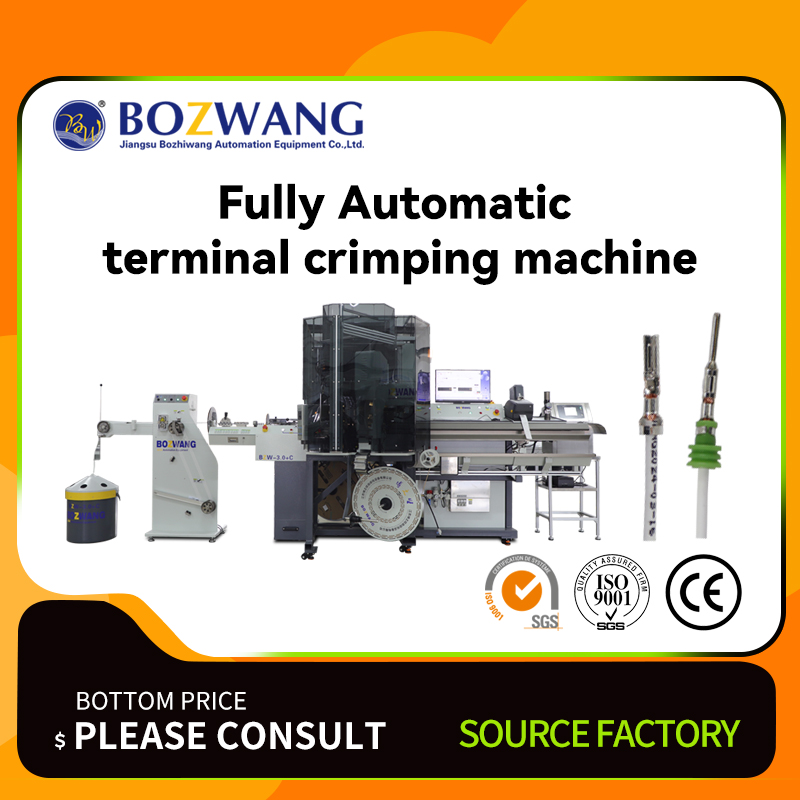
Preventive Maintenance and Troubleshooting
Essential Maintenance Tips for Moving Parts
Protect your automatic crimping machine with strict care daily. Good tips keep moving parts running well. Clean your crimp tools to stop dirt. Check each tool for good alignment. Early checks spot wear and save time. Look at every crimp for correct fit.
Use built-in tools to check health. This system plans fixes before breakdowns happen. Check heavy slides and swap bad parts early. Active care protects tiny parts. It extends machine life for many years.
Safe Procedures for Clearing Wire Jams
Jams happen when fast wires bend wrong. Turn off main power for safety first. Follow good tips to clear stuck stuff. Remove tangled wires before touching main dies. Always guide fresh wires through clean tracks.
Turn the handwheel to pull back drives. Remove bad connectors and clean out metal bits. Hold connectors still when placing wires inside. Inspect all wires before starting the automatic crimping machine. Good care stops jams and keeps work neat.
Correcting Common Terminal Crimp Defects
Finding bad parts helps fix machine settings. Check every bad piece for loose wires. Use simple steps to fix bad folds. Adjust crimp height when shapes look uneven.
Set the upper die for right compression. Strip wire ends cleanly to stop loose strands. Lock each connector on calibrated tools before pressing. Daily care stops errors and improves crimp quality.
You master the automatic crimping machine by following daily steps. First, test power flow and safety shields. Next, set wire strip length and terminal position. Also, adjust the crimp height carefully. Finally, test parts for quality and pull strength.
Good training stops mistakes before they happen. Daily safety checks protect workers from danger. Also, regular care keeps motor parts running smooth. Proper tool care makes automatic crimping machines last longer. It helps workers make perfect wires every day.
Follow your simple safety checklist every shift. This keeps your work fast and very safe.
FAQ
How often should you inspect machine safety interlocks?
Test emergency stop buttons before every shift. Test safety interlock switches, too. Opening clear acrylic guards must stop the machine fast. Daily checks prevent bad crushing injuries. They keep the wire processing area safe.
What causes wire stripping errors during setup?
Bad blade settings cause stripping errors. Poor wire alignment also causes errors. Adjust wire guide blades before making real parts. Proper strip lengths protect conductor strands. They ensure strong terminal retention. They also stop short circuits.
How do digital force monitors guarantee crimp quality?
Digital force monitors check real-time pressure curves. They monitor every press stroke. Built-in systems spot missing wire strands fast. These automatic checks block bad wire harnesses. They keep defective parts from final assembly. They also keep electrical resistance low.
What steps clear a terminal feed jam safely?
Turn off the main power supply right away. Turn the manual handwheel next. This safely pulls back drive parts. Clear jammed connectors from internal die tracks. Remove loose wire strands, too. Do this before starting work again.


I want to comment
Recommended Products
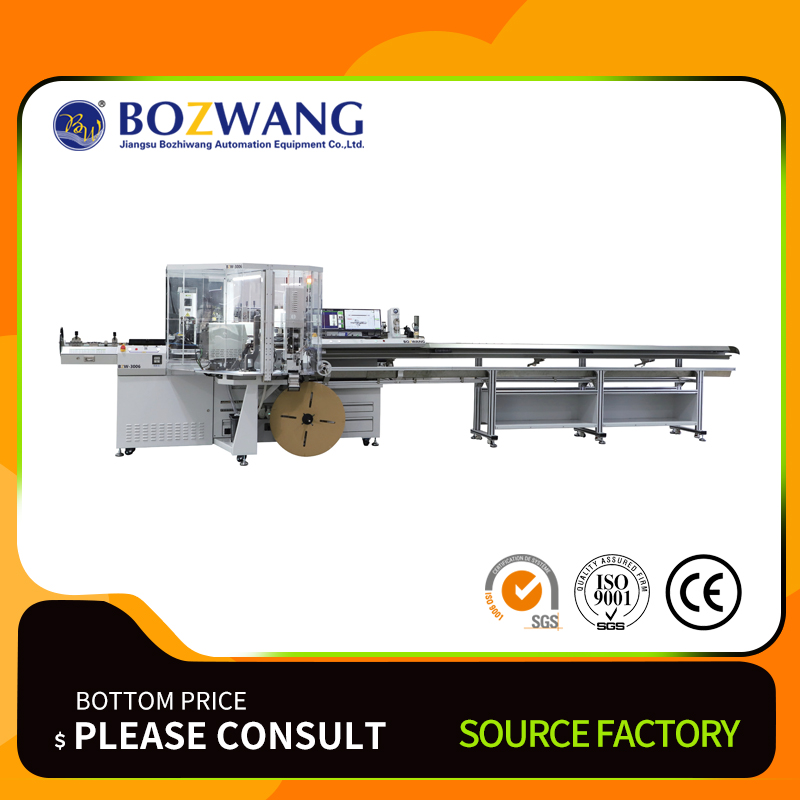
BZW-3006 Automatic terminal crimping machine
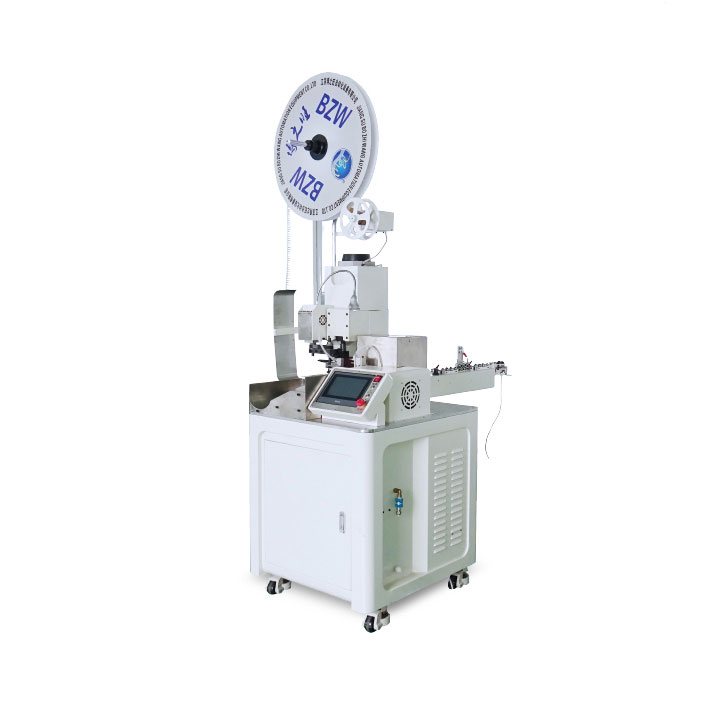
BZW-1.0+N Automatic single end terminal crimping machine
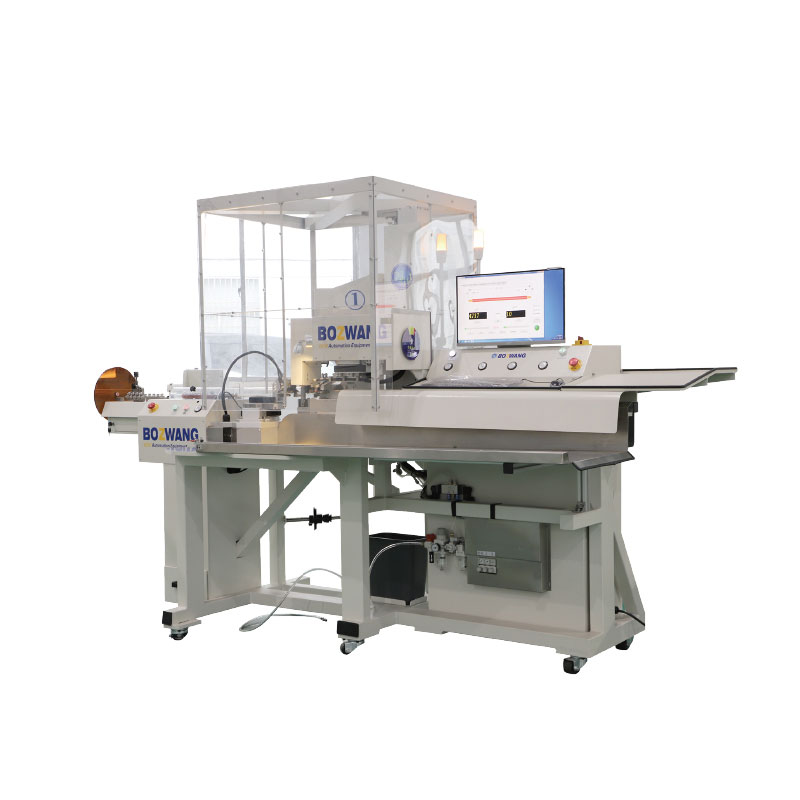
BZW-3.0+GF Automatic PV wire linked terminal crimping machine(single end)
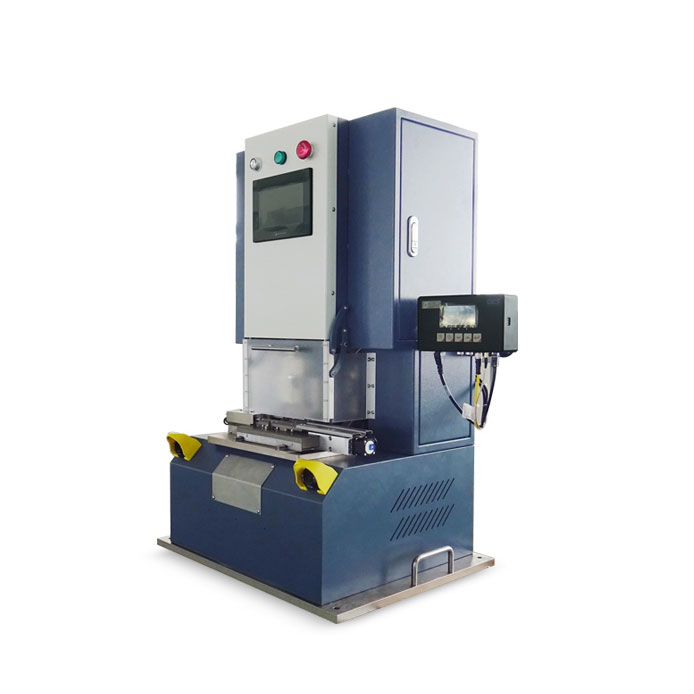
BZW-HW01 HSD outer terminal crimping machine

BZW-FW01 FAKRA Wire outer terminal crimping machine
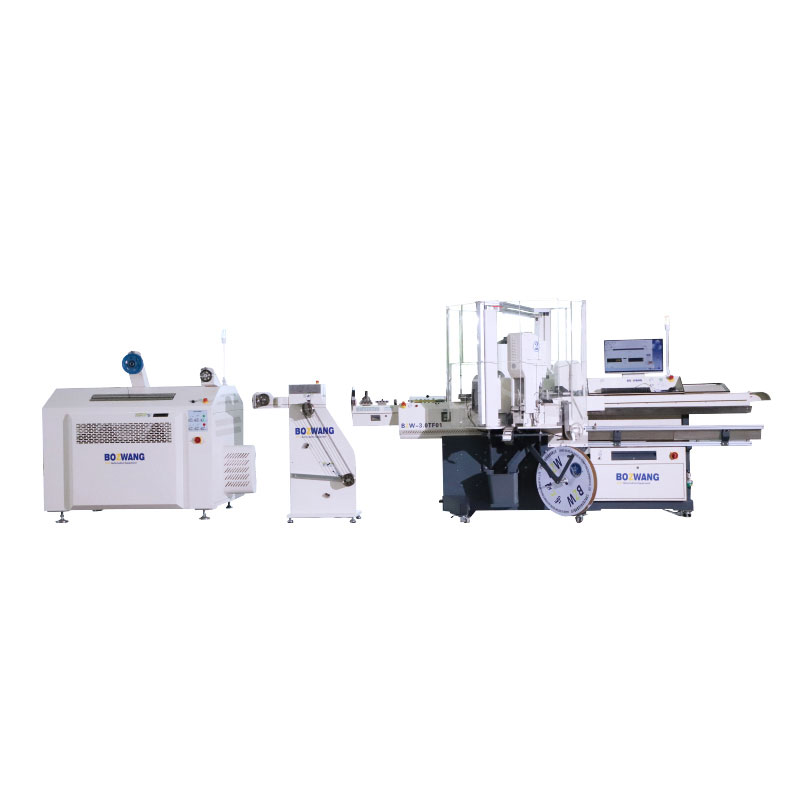
BZW-3.0TF01 Automatic terminal crimping machine

BZW-20TS Servo large terminal crimping machine

BZW-2T-C Mute terminal crimping machine
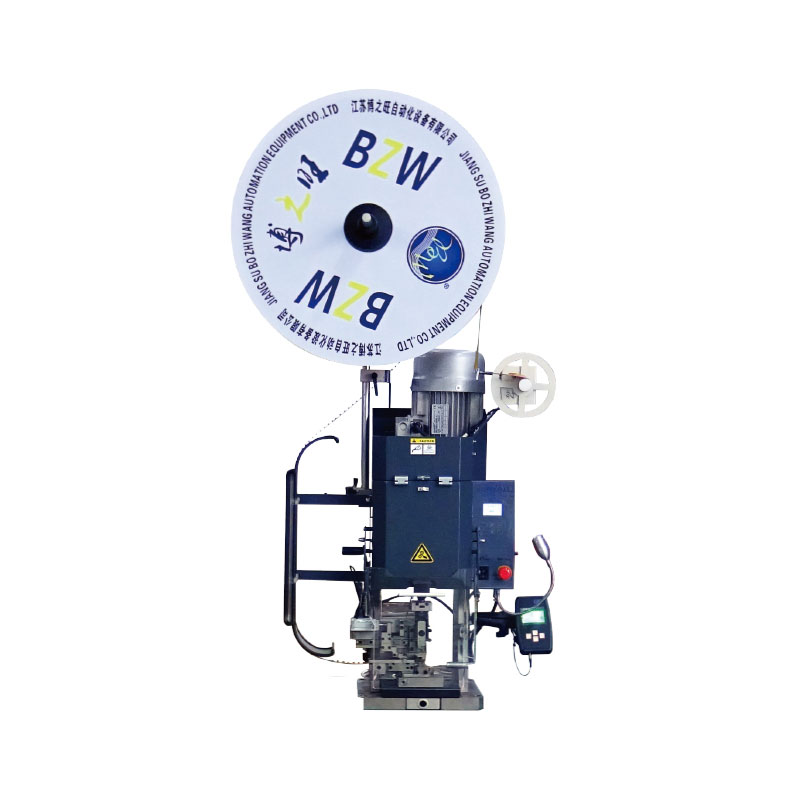
BZW-4040T terminal crimping machine

BZW-40TS Servo large terminal crimping machine


Recent News
1.The cause of different length of crimping terminal and its solution
2015-07-242.What is the terminal crimping machine?
2015-07-243.Full automatic terminal crimping machine
2015-07-244.TOP Automatic Terminal Crimping Machine manufacturer
2026-07-205.How to Use an Automatic Crimping Machine Safely and Effectively
2026-08-05
View More(Total0)Comment lists