






A Guide to Wire Harness Machine Types and Their Applications
 Sep 09, 2026|
 View:622
A wire harness groups wires together to carry power and signals in cars, planes, and factories. In wire harness manufacturing, you often face a common problem: choosing the right machines. This market hits USD 103.3 billion in 2025, showing the huge need for efficient wire harness production. This guide sorts key wire harness machines by their role in preparation, connection, and assembly. Knowing these steps helps you improve quality and performance. You will learn how to match machines to your uses and wire harness design. This knowledge helps wire harness makers pick equipment for terminals and cable harness assembly. The right automated tools improve your wire harness design and ensure a successful setup.
Key Takeaways
Choose wire preparation machines based on the amount you make and the type of wire you use to ensure consistent quality.
Automatic crimping systems increase speed and include quality checks to ensure high-volume production stays consistent.
Assembly and testing machines check that wires are connected correctly and that insulation is strong enough, so the harness works reliably.
Choosing the right machine for how complex your wire harness is helps you work faster and make fewer mistakes.
Wire Harness Machines for Cutting and Stripping
Wire preparation is the first key step in making wire harnesses. You must cut each wire to the right length and remove the coating without harming the strands inside. This accuracy affects how well the next steps work. Bad stripping can cause nicked strands, uneven cuts, or bent wires. These problems lead to poor electrical flow, weak connections, and extra heat where wires meet. Being precise here stops costly mistakes later.
Automatic Cutting and Stripping Machines
Automatic cutting and stripping machines work best in high-volume settings where consistency is vital. These machines handle 2,000 to 8,000 wire ends per hour and keep wire length accurate to ±0.1 mm. You can set different cut lengths and strip depths using a touchscreen. Modern models store and recall over 500 wire programs, so switching jobs is fast. Facilities that upgrade to these machines see a 60–80% drop in changeover time.
These machines work with many wire sizes. General-purpose models handle wires from 1.5mm to 25mm, while precision machines work with finer wires from 0.1mm to 10mm. Servo-driven feeders control length with high accuracy. Auto blade calibration adjusts cutting depth by detecting the conductor in real time. Reject systems spot and remove bad wires, so only quality parts move forward.
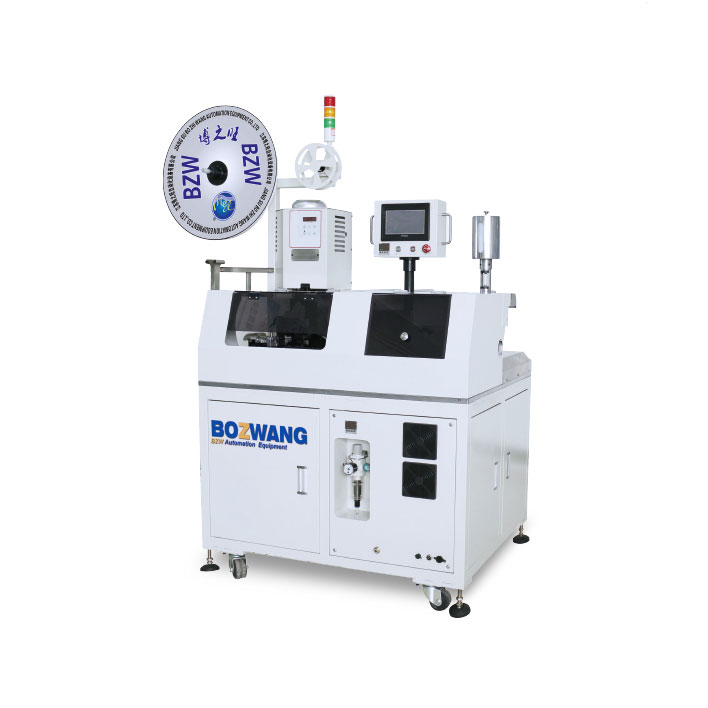
For makers producing wires for cars, these machines give the speed and consistency you need. Industrial control panel builders also depend on them for steady, reliable wire prep. The easy-to-use screens let operators set parameters quickly and watch production easily. You can connect these machines into larger automated lines, creating a smooth flow from raw wire to finished lead.
Specialty Wire and Cable Processors
Coaxial cables and multi-conductor cables bring special challenges that standard machines cannot handle. These cables need exact stripping without harming the inner conductor or shielding. Any scratch in the shielding weakens signal quality and raises voltage standing wave ratio, which hurts performance in communication systems.
Specialty processors use centering parts that align the cable perfectly before cutting. CNC software controls blade depth with micron-level precision, stopping just before the conductor. Rotary cutting spins the head around the cable, slicing insulation evenly at 360 degrees without squeezing it. This method keeps the cable core centered and prevents conductor damage.
These machines are vital in aerospace wire harness work, where signal quality and reliability are must-haves. Data communication setups also rely on clean, exact stripping to keep proper impedance and reduce signal loss. The cost of specialty equipment pays off through less waste and better final products.
The choice between standard automatic machines and specialty processors depends on what you produce. High-volume operations with many wire types benefit from programmable automatic systems. Operations handling delicate coaxial or shielded cables need the precision of specialty equipment. Many wire harness makers keep both types to cover all their needs.
Stripping Inaccuracy | Consequent Crimping Failure |
|---|---|
Nicked or cut strands | Conductor strand damage, reduced conductivity, increased heat generation |
Uneven strip length | Poor mechanical retention, exposed conductor or insulation inside crimp area |
Deformed conductor | Reduced conductivity, increased heat generation, poor mechanical retention |
The table above shows why precise stripping matters for your final connection quality. Each stripping error creates a matching crimping defect that harms the whole wire harness. Picking the right cutting and stripping equipment for your wire types and production volumes builds the base for successful wire harness manufacturing.
Crimping Machines for Wire Harness Manufacturing
Crimping makes the main electrical link in any wire harness. This step presses a terminal onto a stripped wire end. The crimping tools you pick depend on how fast you need to work and how complex your terminals are. Simple tools work fine for small jobs. High-speed systems handle huge daily output. Knowing both options helps you pick the right equipment for your needs.
Benchtop and Handheld Crimping Tools
Benchtop and handheld crimping tools fit low-volume work, prototyping, and field repairs. These portable units cost less than big automated systems. Small shops and repair crews use them for quick fixes and custom jobs. You can carry a handheld tool to a site and crimp terminals right there. Benchtop models sit on a workbench and give more force and steadiness than manual pliers.
These tools work well when you make fewer than a few hundred crimps per day. They handle many wire harness terminals, including insulated and bare types. Workers must place each terminal and wire by hand. This task needs skill and focus. Steady crimp height depends on the worker's method. For prototyping, this hands-on way gives you freedom to try different terminal styles without changing machine setups.
Field service techs like these tools because they are simple. You can fix a broken connection right away without sending equipment back to a shop. The lower price also makes them reachable for startups and small makers entering wire harness work. Still, you must check each crimp by eye or with a separate gauge to confirm quality. These tools lack built-in checks, so worker training becomes key for steady results.
Fully Automatic Crimping and Processing Systems
Fully automatic crimping systems turn wire processing into one smooth operation. These machines combine wire cutting, stripping, and terminal crimping into one continuous flow. You load a spool of wire and a strip of terminals. The machine then makes finished leads without human help. This automation pushes the market for these systems to a projected growth rate of 6.4% each year from 2026 to 2033.
Speed defines these systems. According to Assembly Magazine, processing one wire end takes between 0.5 and 2 seconds. The Weidmueller CRIMPFIX ECO does this job in under 1.5 seconds per wire end. At these speeds, one machine can make thousands of finished leads per hour. This speed makes them vital for large-scale wire harness making in the car industry.
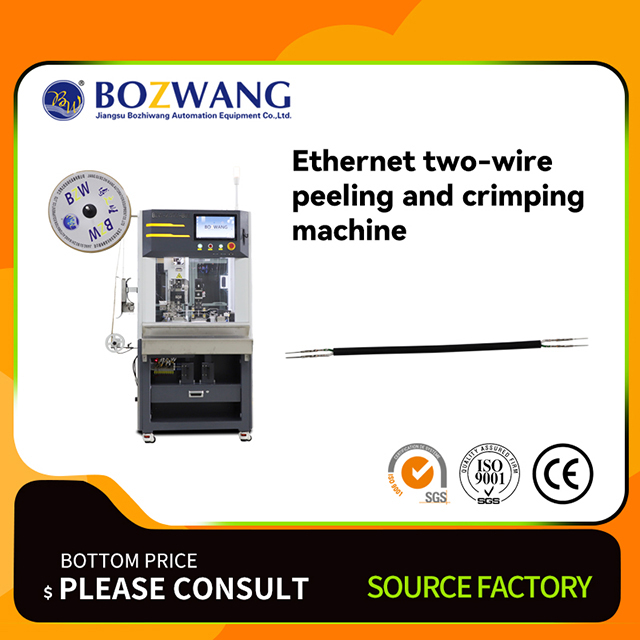
Modern automated crimping machines include crimp force monitoring (CFM) as a standard feature. CFM spots flaws in real time during each crimping cycle. The system flags these problems right away:
Wrong strip length
Missing strands
Wrong wire cross-section
Wrong terminal
Inconsistent terminal material
Insulation in the wire crimp
Wrong insertion depth
Wrong crimp height
This checking stops bad connections from moving ahead in your production line. Only crimps that meet your standards go on to assembly. This direct guard boosts the long-term electrical and mechanical strength of every connection you make.
With a fully automatic wire processing machine, wire assembly and labeling become a fully automatic process. An optimized and fully integrated servo-controlled crimper solution, tailored to the application at hand, enables wires with different end ferrule lengths and cross-sections from 0.5–6 mm² to be produced without retooling.
Top manufacturers offer these systems with precision and speed as main goals. Their equipment handles many wire harness terminals across many uses. You can set up machines for different wire sizes and terminal types quickly. Programmable settings store job details for fast switches between runs.
The choice between benchtop tools and fully automatic systems comes down to your production volume and quality needs. High-volume operations need the speed and steadiness of automation. Combining cutting, stripping, and crimping removes handling mistakes and cuts labor costs. For wire harness makers growing their operations, investing in automated crimping machines brings clear gains through higher output and steady quality. The right equipment boosts your overall wire harness performance and sets up your facility for growth.
Assembly and Testing Applications for Wire Harness Machines
After you prepare and crimp each wire, you must put them together into a full harness. This step joins wires, wire harness connectors, and protection parts into one working unit. Good assembly makes sure your final product works right. Then testing checks that every connection meets your quality rules. These steps are very important for any wire harness design.
Semi-Automatic Assembly and Marking Equipment
Assembly workstations help workers lay out wires in the right pattern for your wire harness. These stations use routing boards or templates that show where to place wires. Connector insertion tools help you put wire harness terminals into housings without harming the small locking clips on these parts. For complex harnesses like car door harnesses, these tools cut assembly time and stop mistakes with delicate parts.
Marking equipment puts labels on each wire in your wiring assembly. Clear labels help during wiring assembly and make future fixes easier. You can pick from several marker types:
Wrap-around markers: Self-sticking labels that resist fading and rubbing
Rotating wire labels: Labels that spin around cables so you can read from any angle
Flags: P- or T-shaped labels that touch less but give more printing space
Tags: Sticker-free labels tied on with cable ties, offering lots of data space
Sleeves: Movable markers that you place before heat shrinking
Print-on hook material: Labels you can move for bundles that improve tracking
These marking choices let you meet customer rules and industry standards. Wire harness makers often use semi-automated systems that combine assembly guides with marking printers. This combo speeds up your wire harness assembly and cuts down errors with crimped terminals and connector terminals.
Wire Harness Testing and Quality Assurance Machines
Testing machines check that your wire harness works right before it leaves the factory. Two main test types protect your product quality.
Continuity testing checks that each wire connects to the correct terminals. The test sends a low voltage between two points and measures resistance. For automotive wire harnesses, continuity testing follows industry standards with strict resistance limits and test parameters to ensure proper connections.
Hi-pot testing checks insulation strength. This test sends high voltage to your wire harness to find breakdowns between conductors or between conductors and ground. It finds issues that normal voltage would not show.
In the aerospace industry, hipot testing makes sure that the insulation in aircraft wiring can handle extreme conditions, such as high altitudes and different temperatures, so it stops in-flight electrical failures and major breakdowns.
Testing machines find many common defects during wire harness making:
Defect | Detection Method |
|---|---|
Wrong or misrouted wiring | Continuity testing checks correct conductor paths |
Loose terminals | Pull force test; resistance check finds high-resistance connections |
Crossed or shorted wires | Continuity and hipot tests find unwanted contact |
Bad crimps or solder | Pull force test; resistance measurement shows weak joints |
Damaged insulation | Hipot and insulation resistance tests find breakdown |
Wrong wire size or terminal type | Resistance measurement and size checks match specs |
Connector misalignment | Visual inspection and continuity tests confirm proper fit |
Testing machines catch defects such as under-crimping and over-crimping through crimp force monitoring. Loose terminals show up during pull force tests. Chafing or rubbing can cause shorts over time, which testing machines detect. Corrosion can lead to failures; testing machines find moisture through insulation resistance and dielectric withstand tests. Each test protects the parts inside your harness.
Modern testing systems make a digital test record for every wire harness. This record serves as your traceability data point. For aerospace wire harness makers, this paperwork meets strict regulatory rules. Testing systems from various manufacturers log test results to ensure compliance. Specialized software is available for test reporting. These tools check that every terminal in the assembly meets its electrical specification. Checking terminals often prevents field failures.
Automated test fixtures use spring-loaded probe pins to connect with all wire harness connectors at once. The full test sequence is completed in a short time, enabling high throughput. This automated assembly way removes worker differences and gives steady results for every wire harness. Some platforms send schematics to worker tablets and log every step for full traceability. If a continuity tester shows an increased failure rate, the system flags maintenance to check fixture pins before a problem occurs. This level of monitoring protects your terminals and connections all through production.
Testing for electrical function makes sure your wire harness gives reliable performance. The mix of continuity and hi-pot testing makes you confident that your wire harness meets its design specs. For safety-critical uses like aerospace and medical devices, these tests are not optional. They are needed to stop failures during use.
Wire harness manufacturing flows through three stages: cutting and stripping, crimping, then assembly and testing. Each stage demands different wire harness machines. Your choice depends on production volume, wire types, and quality needs. No single machine fits every wire harness design.
Follow this framework to decide. First, analyze your current bottleneck. Second, calculate required throughput. Third, examine your harness complexity. These steps guide your equipment investment.
Look for a partner offering complete solutions, not just one machine. Many manufacturers provide full wire processing lines—from cutting and stripping to crimping and auxiliary equipment. This integrated approach supports scalable wire harness production, improves performance, and simplifies installation. Such partnerships help wire harness manufacturers optimize terminals, assembly quality, and automated workflows for lasting success.
FAQ
How Do I Choose Between Benchtop and Automatic Crimping Machines?
How much you produce each day is the main factor. Benchtop tools work well for small batches, prototypes, and on-site fixes. Fully automatic systems can handle thousands of terminals daily. Think about your daily output, how complex your terminals are, and what quality level you need. Many manufacturers sell both types, so you can grow as your production increases.
What Testing Does My Wire Harness Need Before Shipping?
Every wire harness needs continuity testing to make sure all connections are correct. Hi-pot testing checks that the insulation is strong enough. These tests find loose terminals, crossed wires, and damaged insulation. For safety-critical uses like aerospace and medical devices, testing is required. Automated test fixtures run complete checks quickly, giving you dependable performance data for each unit.
How Does Wire Harness Design Affect My Equipment Choices?
Your wire harness design tells you which machines you need. Simple designs with few branches work fine with basic cutting and stripping equipment. Complex designs with many connectors need semi-automatic assembly stations and marking tools. Specialty cables like coaxial lines need precision processors. Match your equipment to your design complexity for smooth wiring assembly.
Can I Integrate Different Wire Harness Machines Into One Production Line?
Yes. Modern wire harness makers connect cutting, stripping, crimping, and testing machines into automated lines. Programmable settings store job details for fast changeovers. This setup cuts handling mistakes and labor costs. Top manufacturers provide complete wire processing solutions, so you can create a scalable production system that expands with your needs.
What Maintenance Keeps My Crimping Machines Accurate?
Crimp force monitoring systems catch problems as they happen. Check and calibrate your crimping tools on a regular schedule. Replace worn dies and blades quickly. Clean sensors and feeders every day. Watch rejection rates to notice when performance drops. Following manufacturer guidelines extends equipment life and keeps quality steady across all your wire harness terminals.
I want to comment
Recommended Products
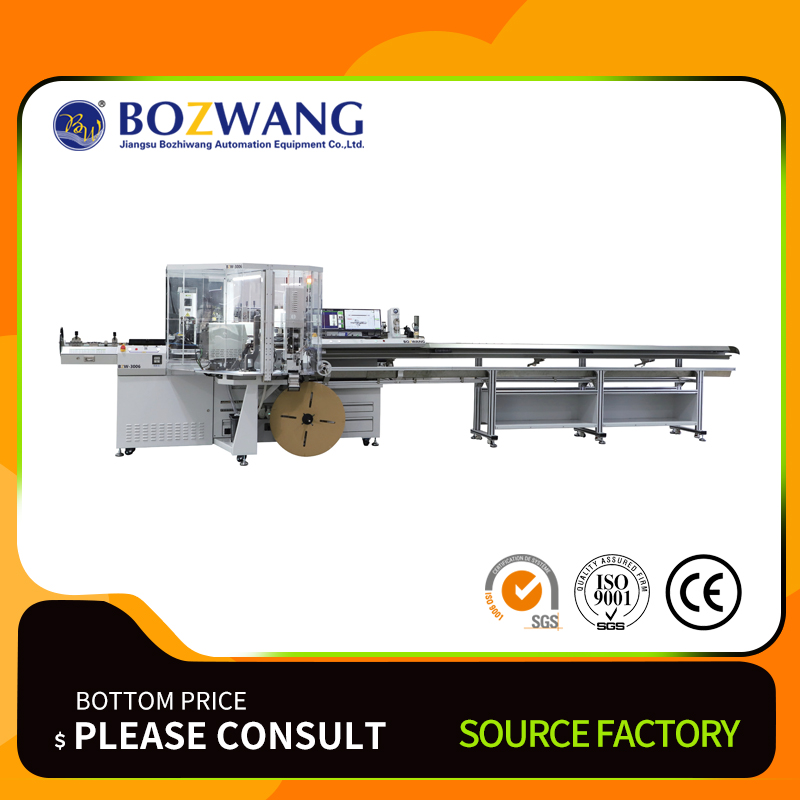
BZW-3006 Automatic terminal crimping machine

BZW-882DJ Wire cutting and stripping machine
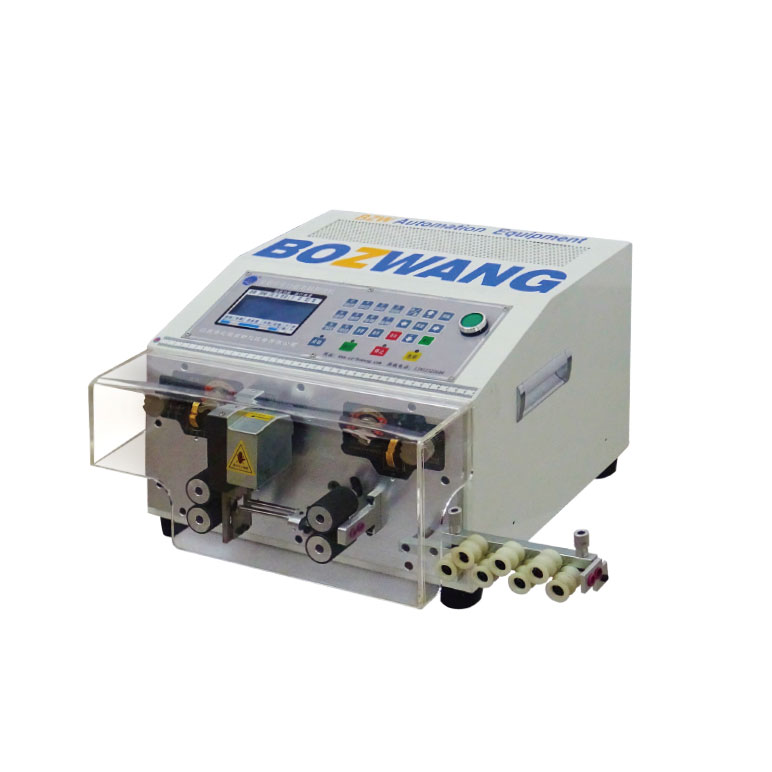
BZW-882D2 Computerized wire cutting and stripping machine for double wires

BZW-882D Computerized cutting and stripping machine

BZW-F4+Z Semi-automatic stripping and crimping machine for tubular ferrule terminal

BZW-F4+G Semi automatic harting terminal strip and crimp machine

BZW-20TS Servo large terminal crimping machine
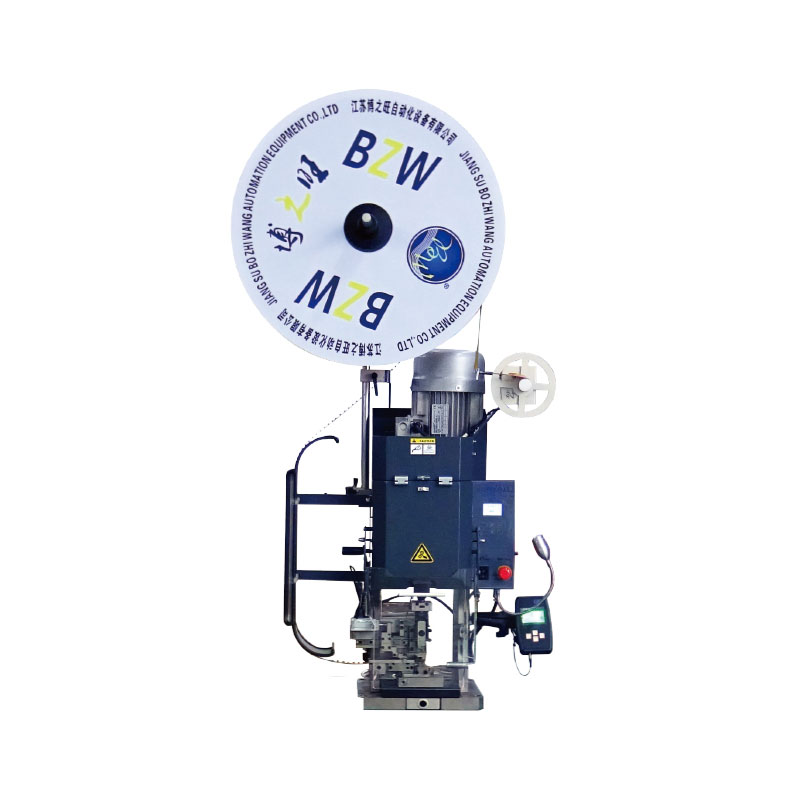
BZW-4040T terminal crimping machine


Recent News
1.The cause of different length of crimping terminal and its solution
2015-07-242.The difference between terminal machine and automatic terminal machine
2015-07-243.What is the terminal crimping machine?
2015-07-244.Full automatic terminal crimping machine
2015-07-245.TOP Automatic Terminal Crimping Machine manufacturer
2026-07-206.Reduce Downtime with a Reliable Automatic Cutting and Stripping Machine
2026-07-147.How an Automatic Cutting and Stripping Machine Cuts Waste by 30%
2026-07-308.Bozhiwang ISO 9000 Tube Cutting Machine With Precision Processing
2026-08-20
View More(Total0)Comment lists